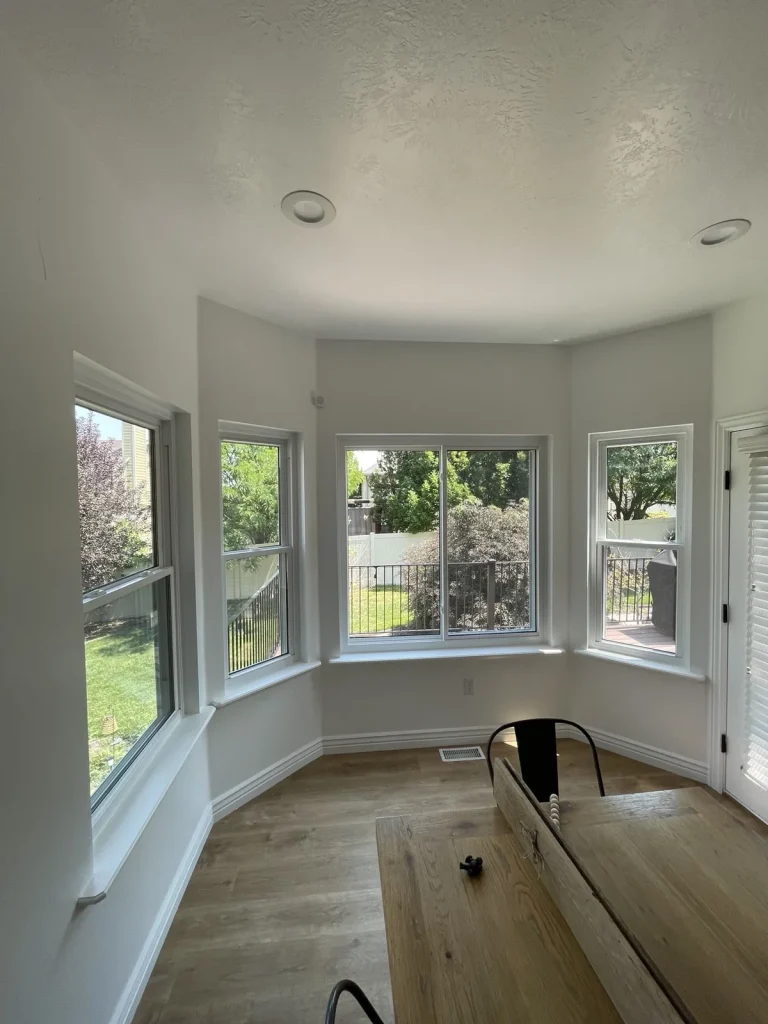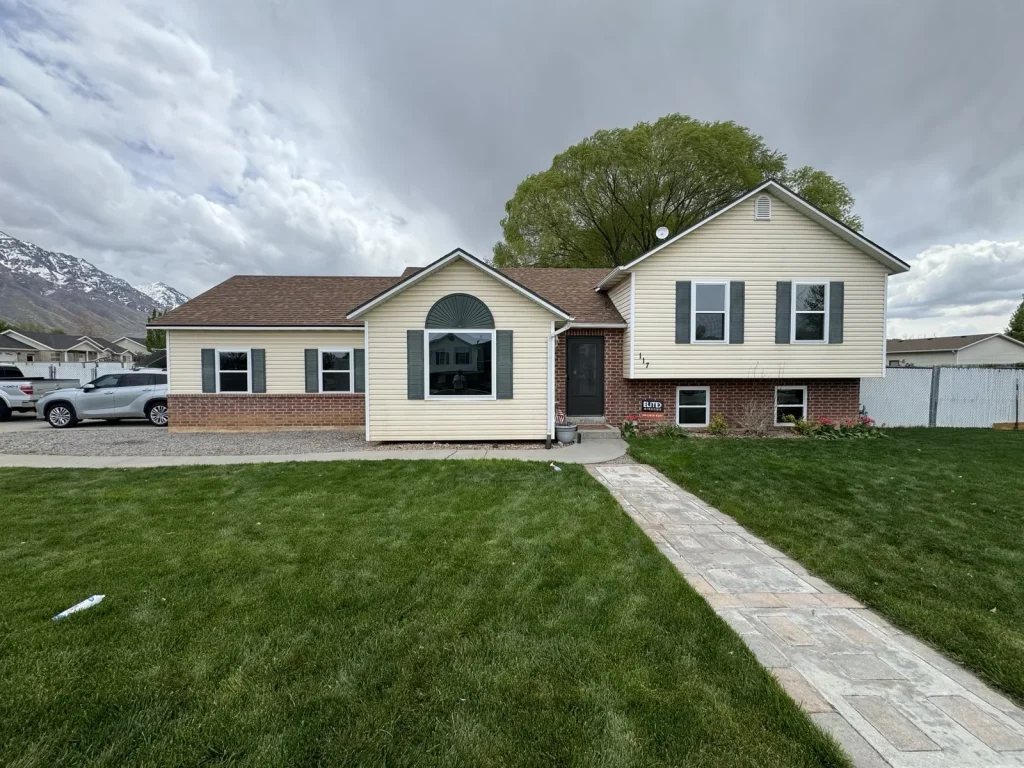
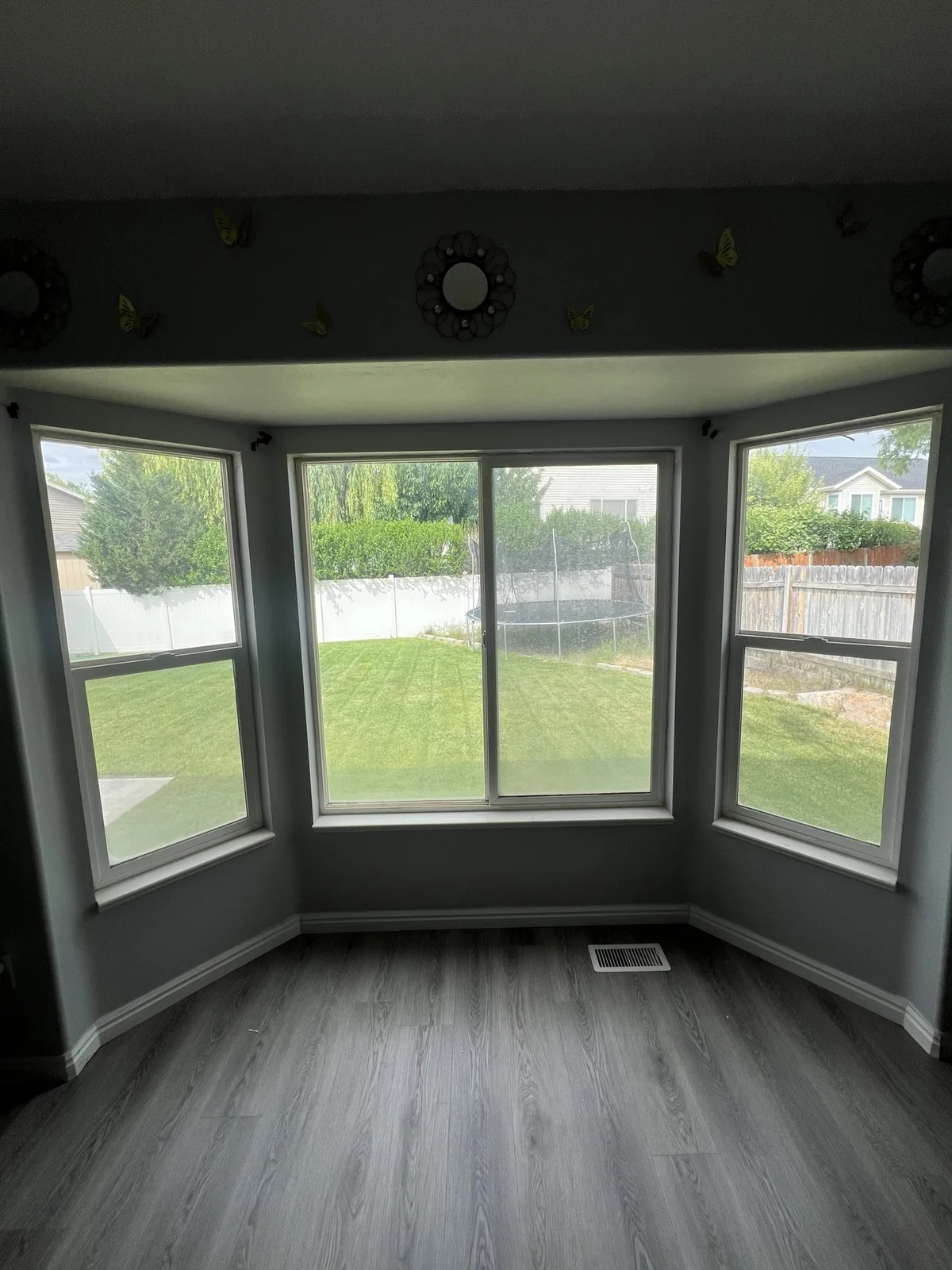
How windows affect energy efficiency
Start with the rooms where you notice drafts, glare or uncomfortable temperatures near the glass. Check operation, frame condition and any signs of moisture.
A window assessment should consider the connection to the wall as well as the product itself. Other air leaks and insulation problems can also affect comfort.
Choosing the right energy-efficient windows
Low-E coatings, insulated panes and gas fills are common features in efficient glass packages. Their combination affects the product’s ratings and the amount of daylight and solar heat it lets through.
Compare the available packages for your climate and the direction each room faces. Ask about the exact configuration listed in your estimate.
Look at the frame and complete-product ratings
The frame, spacers and glass work together. Compare the NFRC ratings for the whole window rather than choosing from a single feature such as pane count.
Frame dimensions and grid patterns also affect the appearance and visible glass area. Review the practical and design choices together.
Professional installation for energy performance
Measurements and the installation method determine how the new frame fits the opening. The estimate should explain sealing, trim, exterior finish and any repairs around the window.
Confirm who handles unexpected damage and how changes to the work will be approved.
Set a useful goal for the project
Improved comfort, easier operation and reduced heat transfer are useful goals to discuss. A precise utility-bill reduction cannot be promised without considering the whole home.
After installation, follow the product’s care instructions and keep tracks and drainage paths clear. Contact your office if operation changes or you notice persistent water around an opening.