Reduce heat moving through the windows
In Lehi, window performance needs to account for cold winters and strong summer sun. Replacing inefficient windows can reduce unwanted heat transfer through the glass and frame.
The result depends on the existing windows, replacement products and installation. Wall insulation, other air leaks and heating and cooling systems also affect household energy use.
Compare the complete window
Insulated panes, Low-E coatings, spacers and frame construction all contribute to performance. Look at the selected product’s ratings instead of relying on the phrase energy efficient.
Discuss sun exposure by room. The glass suited to an exposed west-facing opening may have different priorities from the glass in a shaded room.
Connect energy use with environmental impact
Using less energy for heating and cooling can reduce the emissions associated with that energy. The amount depends on the energy source and the change in your home’s demand.
Avoid applying a broad carbon-savings number to an individual house. Ask what is known about the selected products and what would need a whole-home energy assessment.
Consider repair, service life and materials
An environmental comparison also includes manufacturing, transport and the useful life of the products. Check whether an existing window can be repaired and which replacement components can be serviced later.
Ask how old windows and packaging will be handled. Do not assume a material is accepted by local recycling programs without checking.
Coordinate with other home improvements
Shading, insulation, ventilation and air sealing can affect the outcome of a window project. Plan these improvements around the conditions you find in the home rather than treating windows as the only source of energy loss.
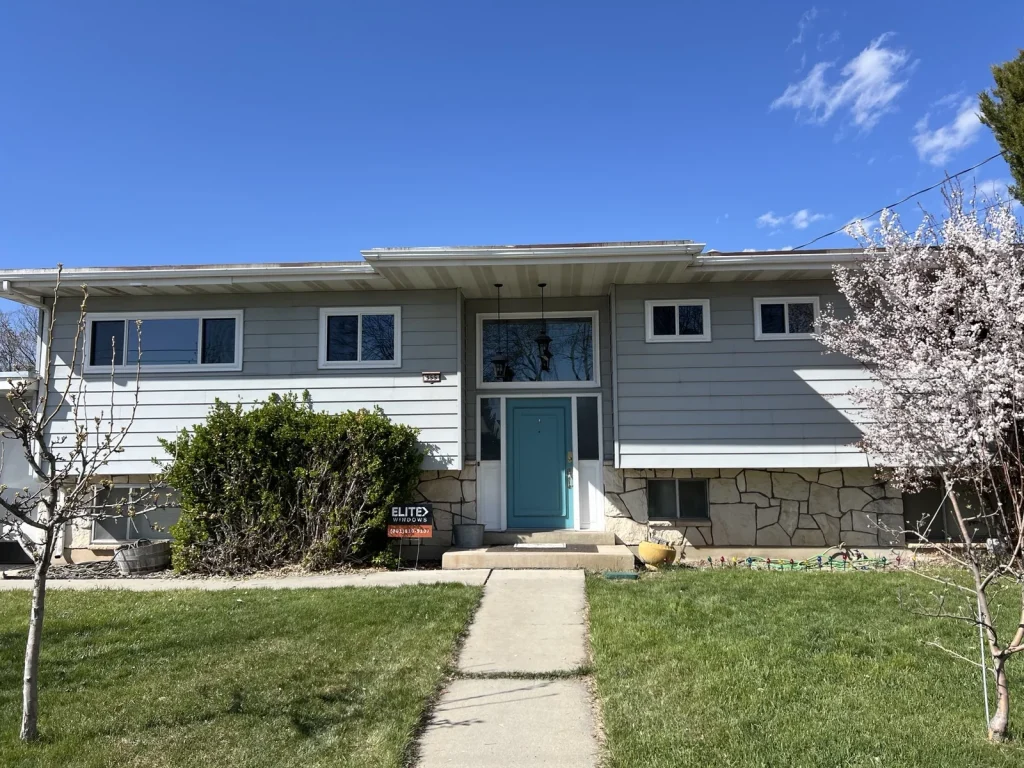
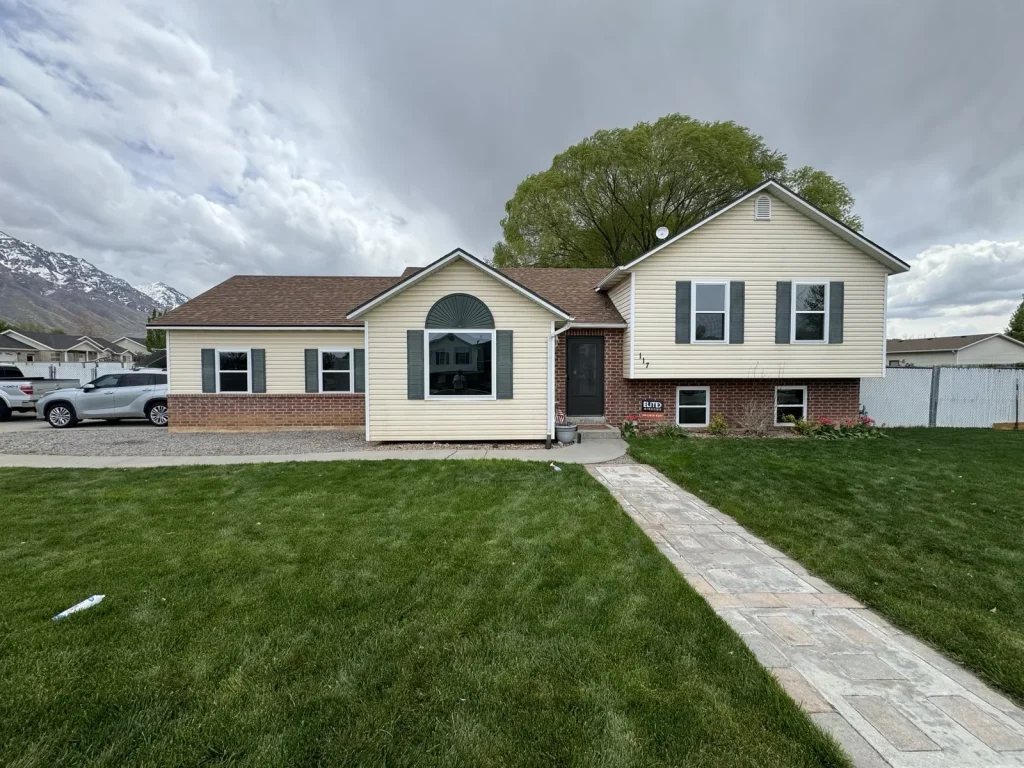
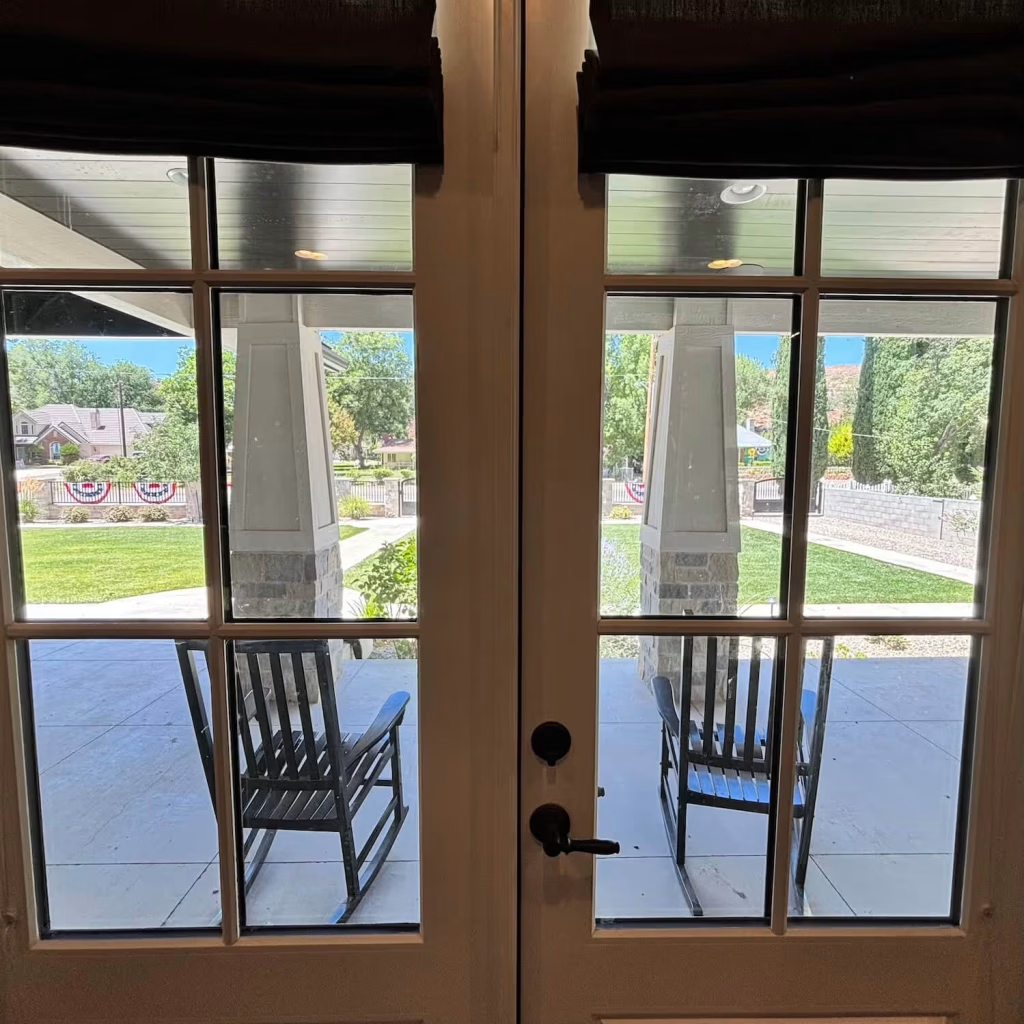
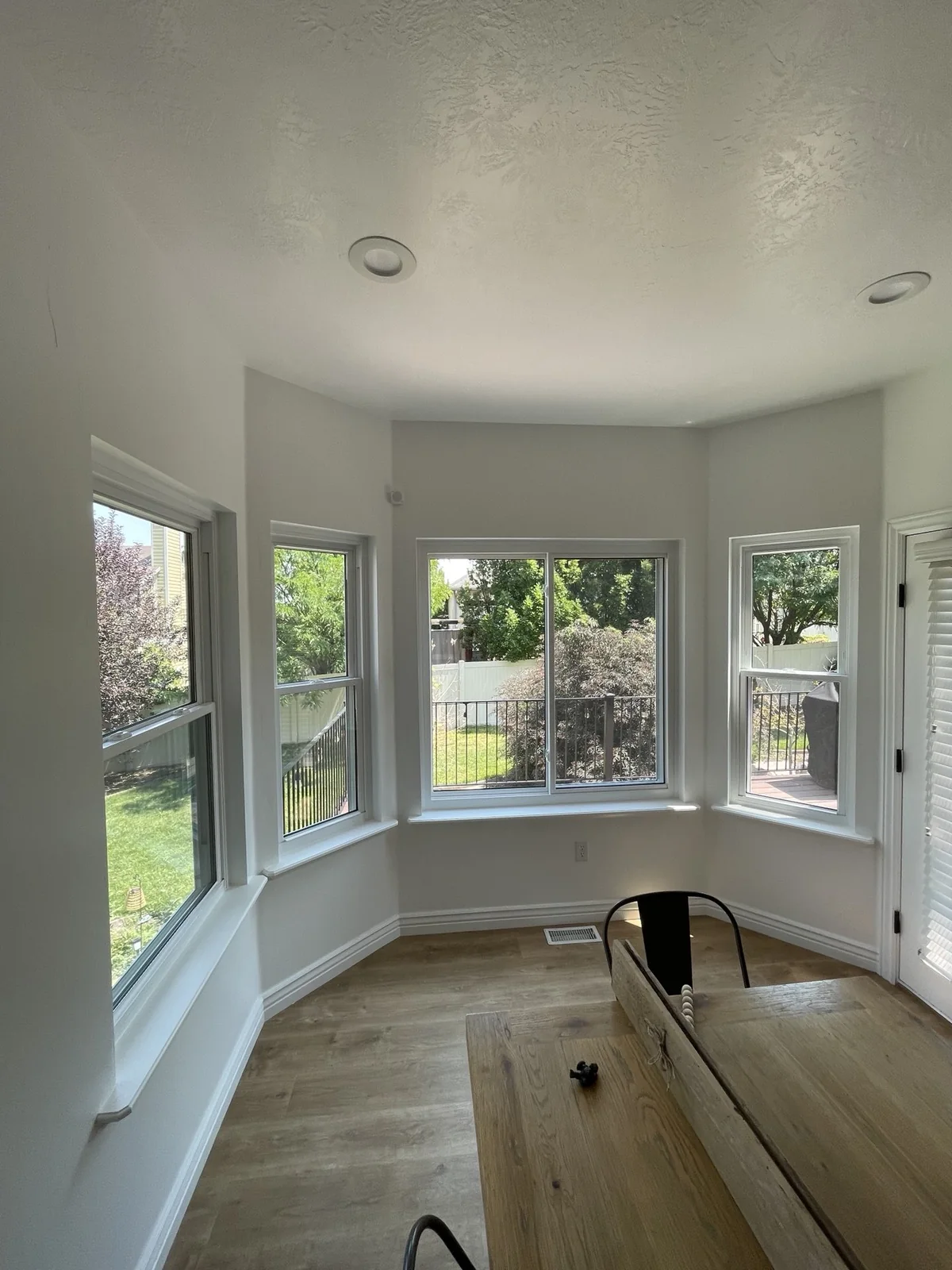
For a Lehi window consultation, bring a list of the rooms you want to improve and photos of the existing openings. Pleasant Grove is the Elite office serving Lehi.