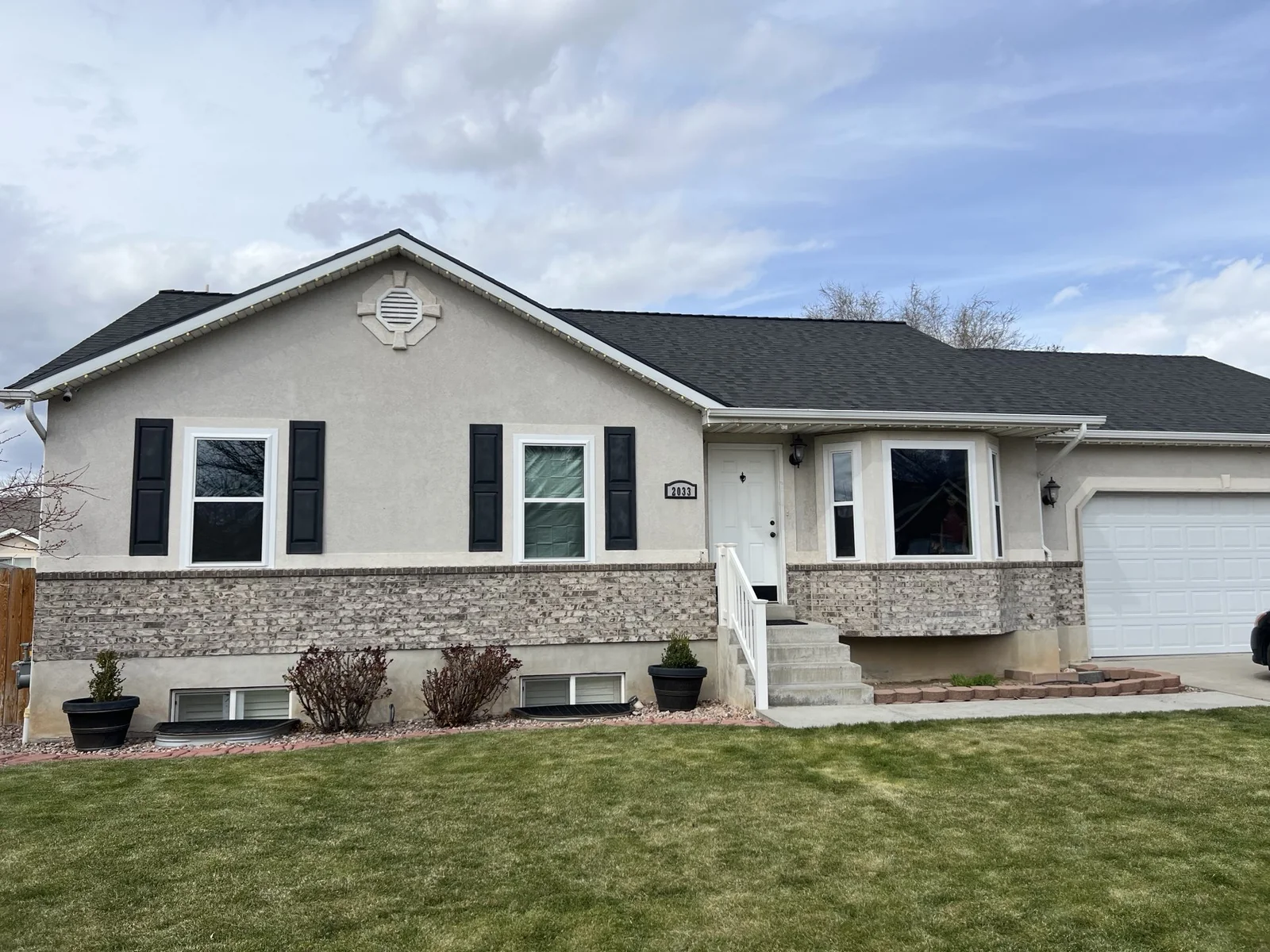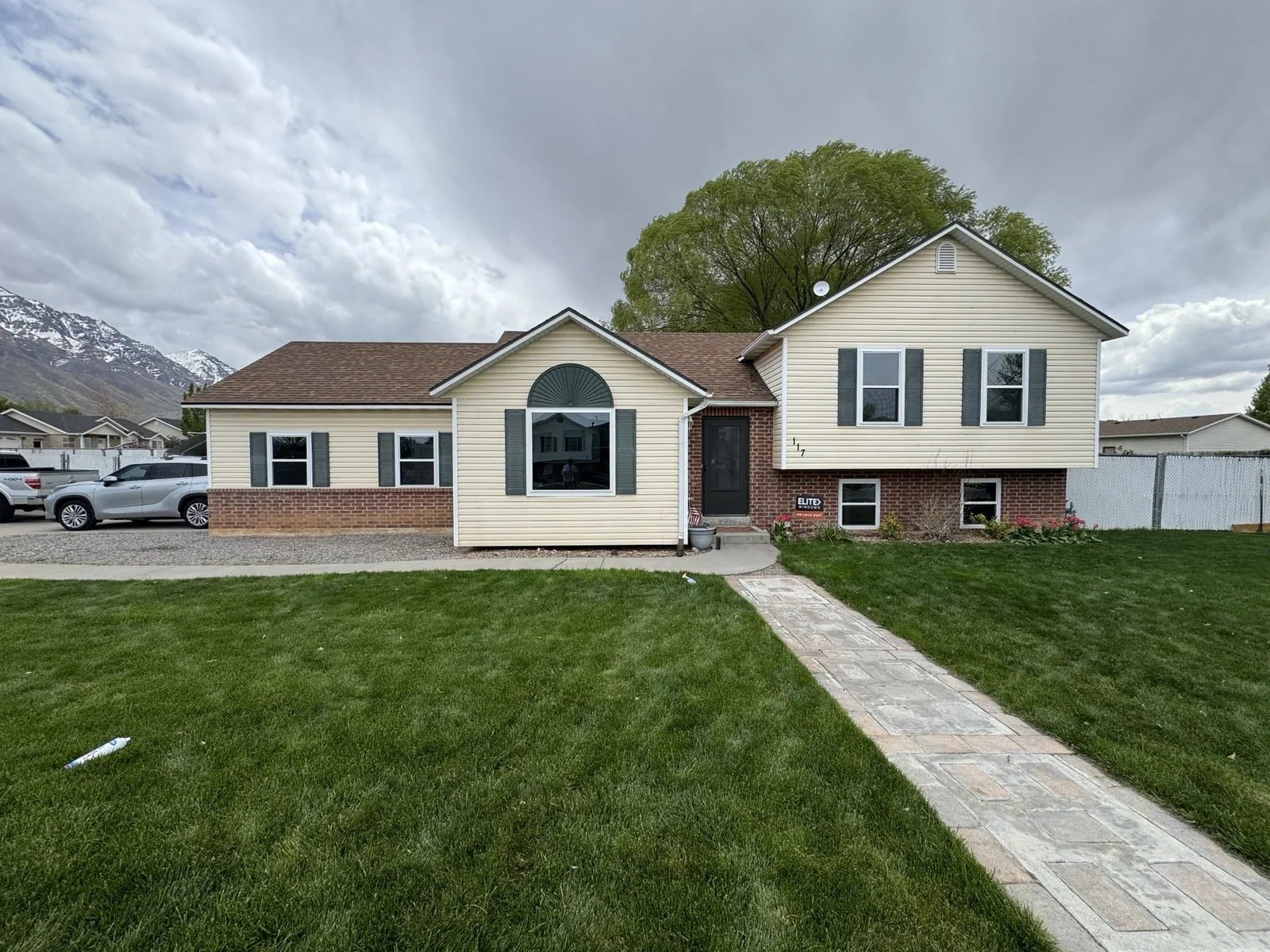
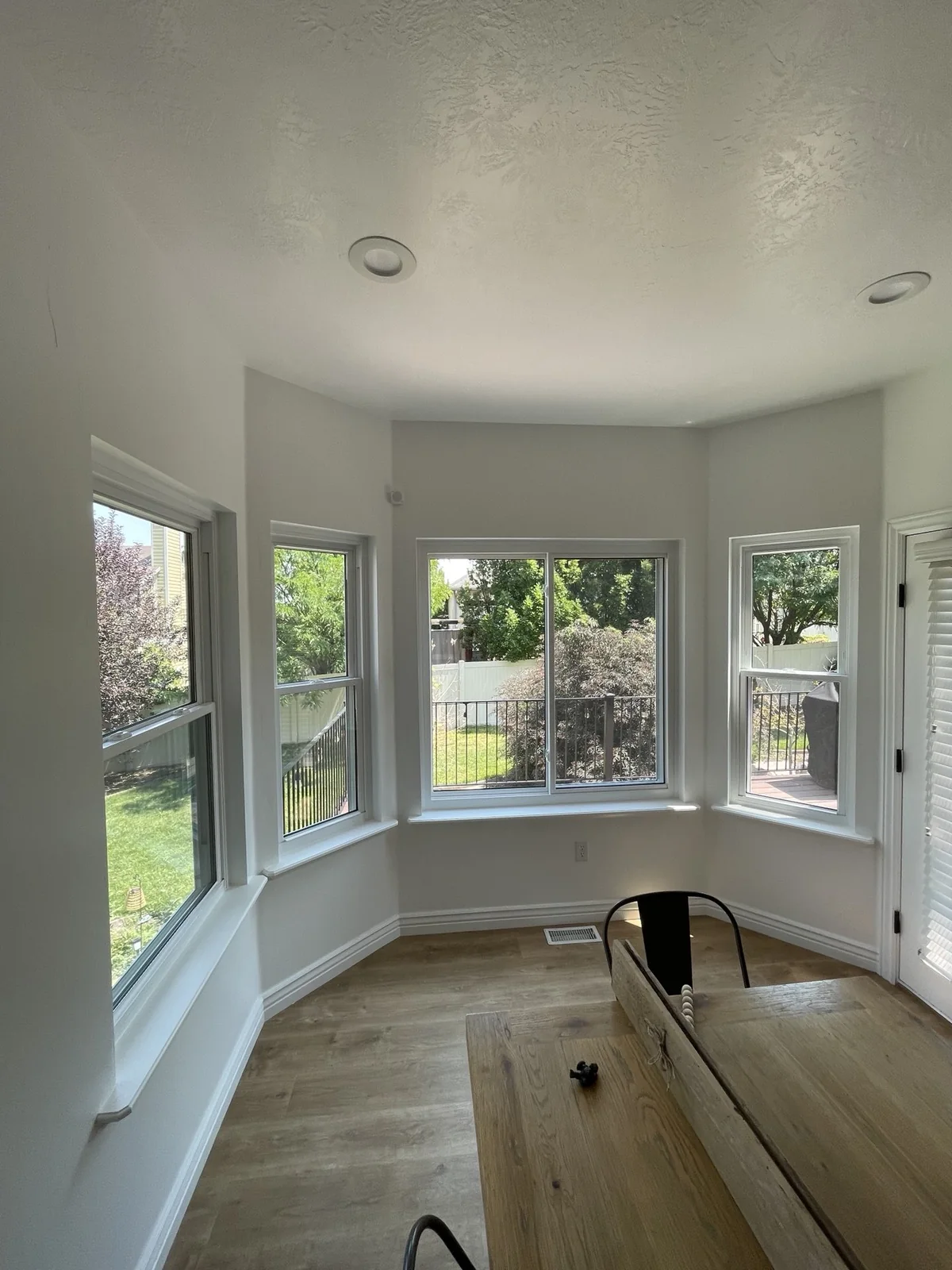
Identify the rooms you want to improve
Tell us where you notice winter drafts, afternoon heat or glare. Window orientation, shade and the condition of the existing frames help explain those concerns.
Replacing windows can reduce heat transfer and air leakage, but the result also depends on the insulation, heating and cooling systems, and other parts of your home.
Compare the complete window
Look at the ratings for the window being quoted. U-factor describes heat transfer; solar heat gain coefficient describes how much solar heat passes through. Visible transmittance indicates how much visible light the glass lets in.
Compare those ratings with the frame, number of panes and Low-E coating. A glass package for an exposed Arizona room may have different priorities from one for a shaded Washington room.
Review the fit and finish
An efficient product also needs an appropriate installation. We assess the existing opening and explain how the new window will be sealed and finished against your exterior.
Ask for the product details and included installation work in writing. Energy savings vary by home; a consultation should not promise a fixed reduction in your utility bill.