Check the condition, not just the age
A window’s age gives you some context, but its condition is more useful. A well-maintained window can perform differently from one exposed to years of moisture or heavy use. Start with what you can see and how the window operates.
1. The frame is damaged
Look for cracks, loose sections, soft wood, peeling finishes or water stains around the frame. Damage can involve the window or the surrounding wall. Have the cause assessed before deciding whether to repair the frame or replace the unit.
2. You feel persistent drafts
If a room feels cold near a closed window, note when it happens and whether air seems to come through the sash or around the frame. Worn seals and gaps at the installation can both cause problems. The rest of the wall may also need attention.
3. The glass is foggy between the panes
Moisture between the panes of a sealed glass unit can indicate seal failure. It is different from condensation on the room-side or outdoor surface of the glass. Describe where you see the moisture when you call your office.
4. The window is difficult to open, close or lock
A sticking sash, damaged handle or unreliable lock makes a window harder to use. Avoid forcing the mechanism. An assessment can help determine whether hardware service, frame work or replacement is appropriate.
5. The windows no longer meet your needs
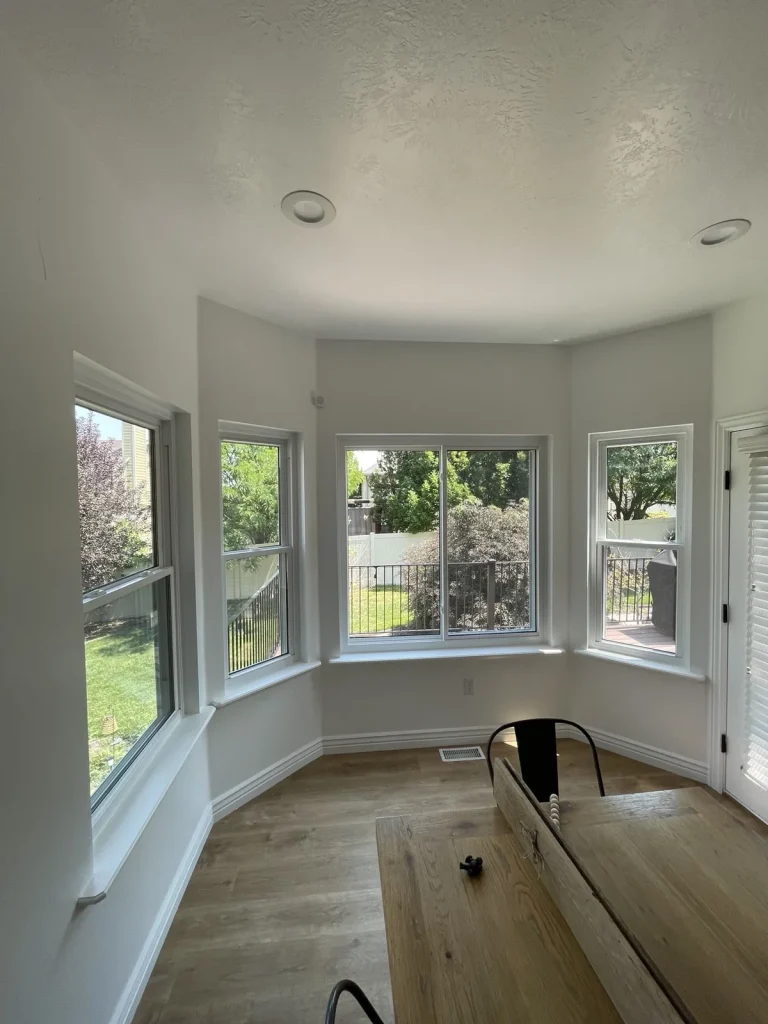
You may want a different frame color, more usable ventilation or a change to the grid pattern. Compare the options with the way you use each room. A fixed picture window and an operable window serve different purposes.
What to bring to a consultation
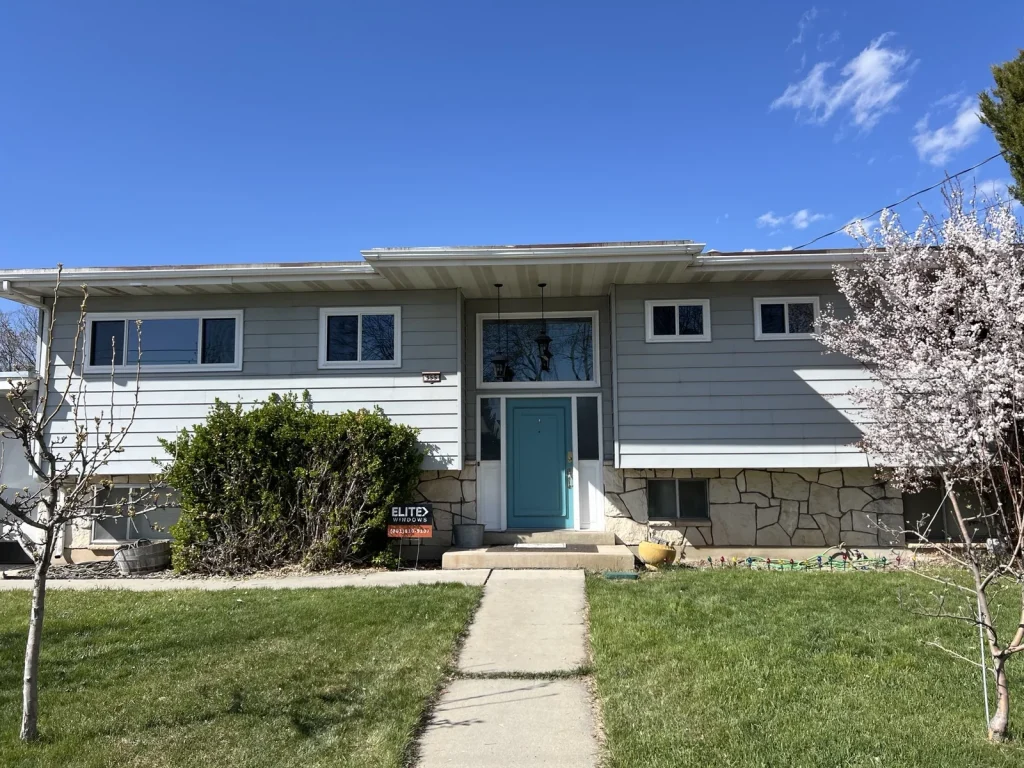
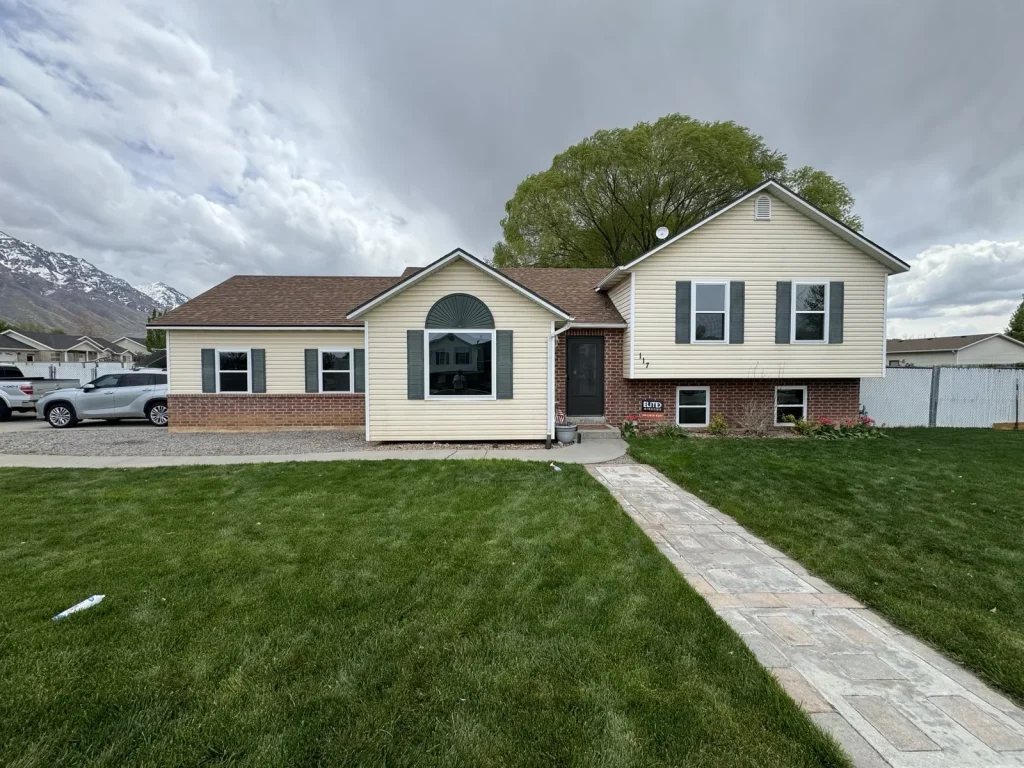
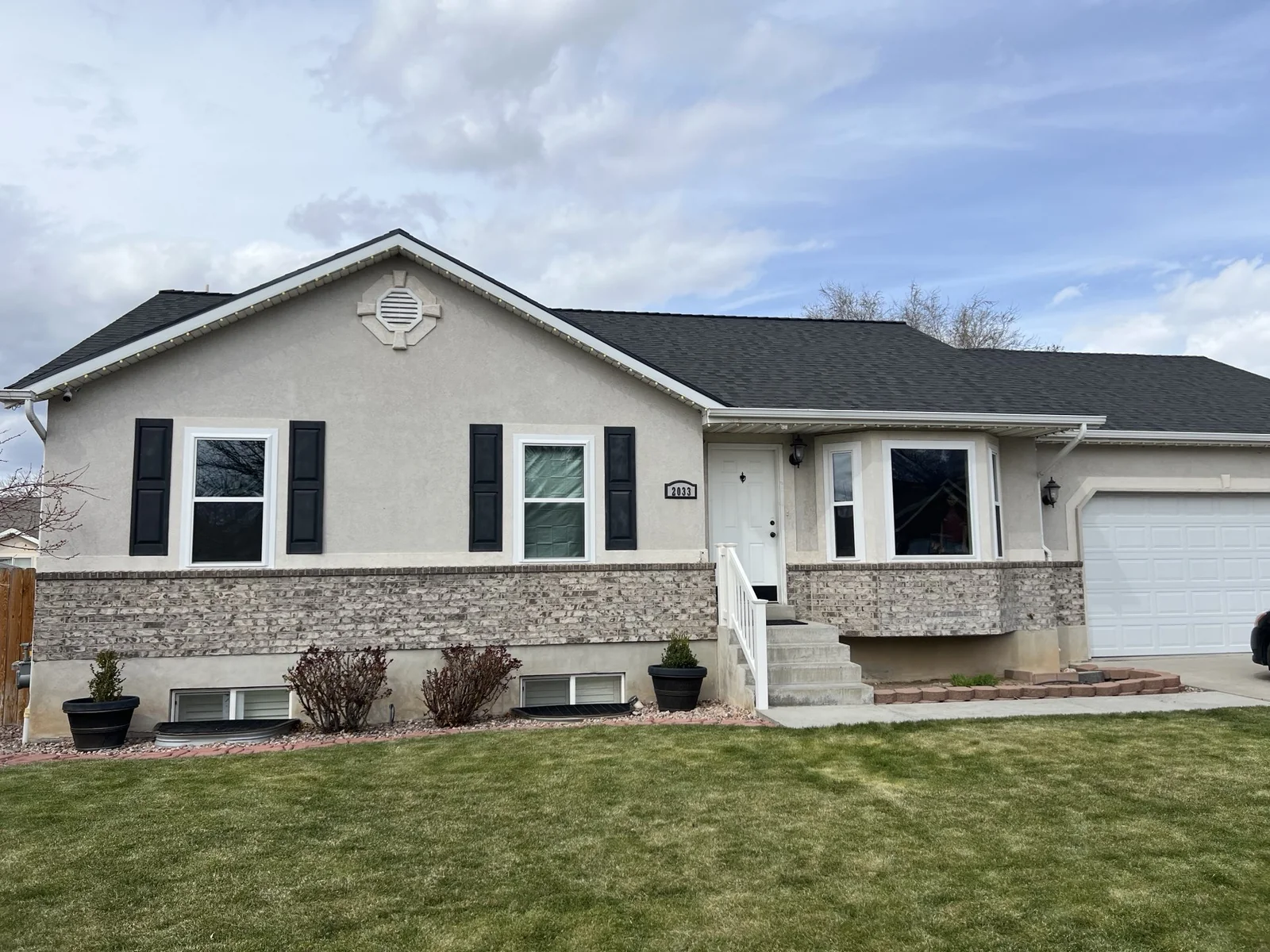
Make a list of the openings you want checked and take photos from inside and outside. Include the trim and exterior around each window. Mention drafts, water stains, difficult operation and any design changes you want.
Your local Elite office can assess the windows, explain the options and prepare a written quote for the recommended work.