Start with the windows you actually use
Notice which rooms need fresh air, which windows are difficult to reach and which openings you rarely use. A window that sticks or will not stay open may be limiting the ventilation you want.
Share those details at the consultation. The direction of the opening, furniture and outdoor obstructions affect how useful an operable window will be.
Window styles for improved ventilation
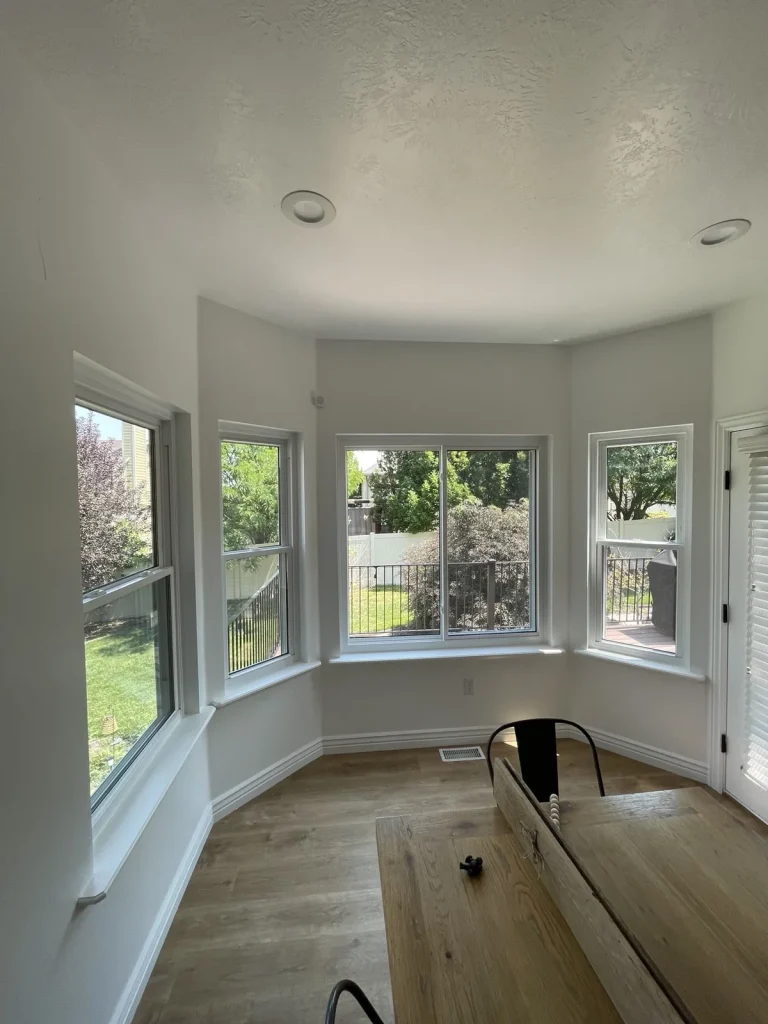
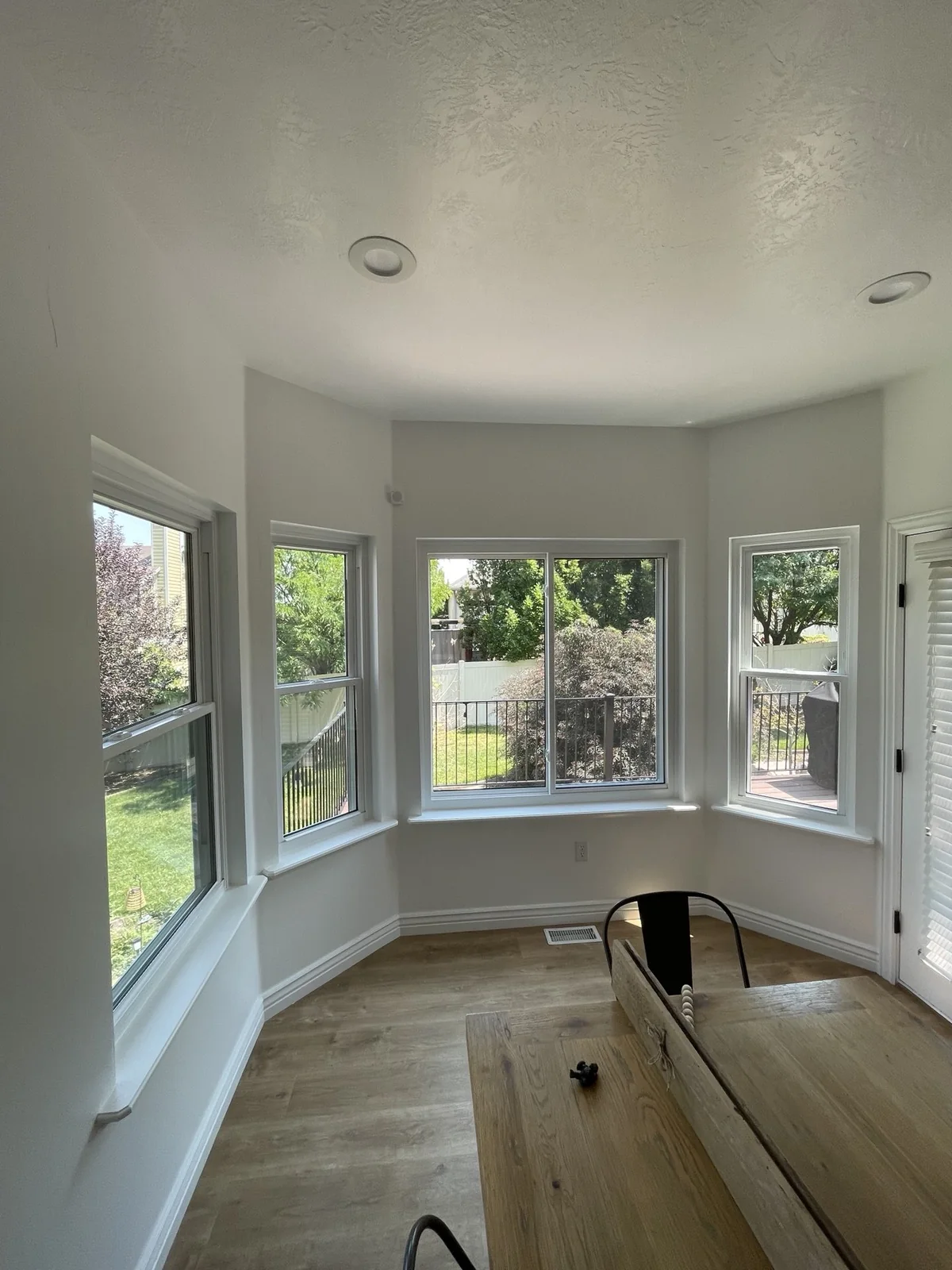
A sliding window opens horizontally. A double-hung window has vertically arranged sashes. A casement opens outward on side hinges. Their usable openings and operation differ, even when the outside dimensions are similar.
Picture windows are fixed. They can provide a view, but the room needs another way to get ventilation when that is required.
Consider the clear opening and access
Ask how much of the window opens and how the screen, handle and locks work. A casement’s outward swing needs space clear of paths, plants and nearby walls.
For sleeping rooms or other spaces with escape requirements, confirm the applicable clear-opening and operation rules before changing styles.
Ventilation and energy efficiency
An operable window provides ventilation when you choose to open it. Air leaking through a closed window is a different issue. Replacement work should address operation and unwanted air leakage separately.
Efficient glass and a suitable installation can help with temperature control when the window is closed. Ask about both the glass and the seals on the selected product.
Work with the home’s other ventilation
Windows do not replace every function of kitchen fans, bathroom exhaust or mechanical ventilation. Use those systems as intended, especially where moisture is produced.
Outdoor heat, cold, smoke and air quality can also affect when opening a window is useful. Choose the window style around your room’s needs and the way you use the home.
Plan the installation
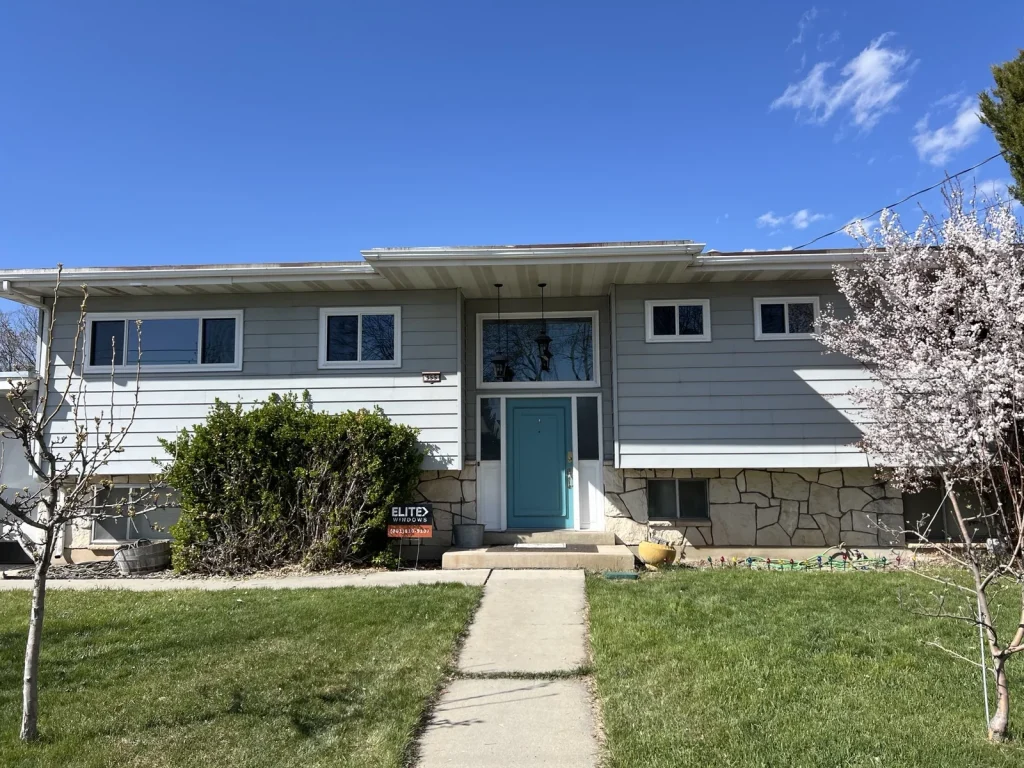
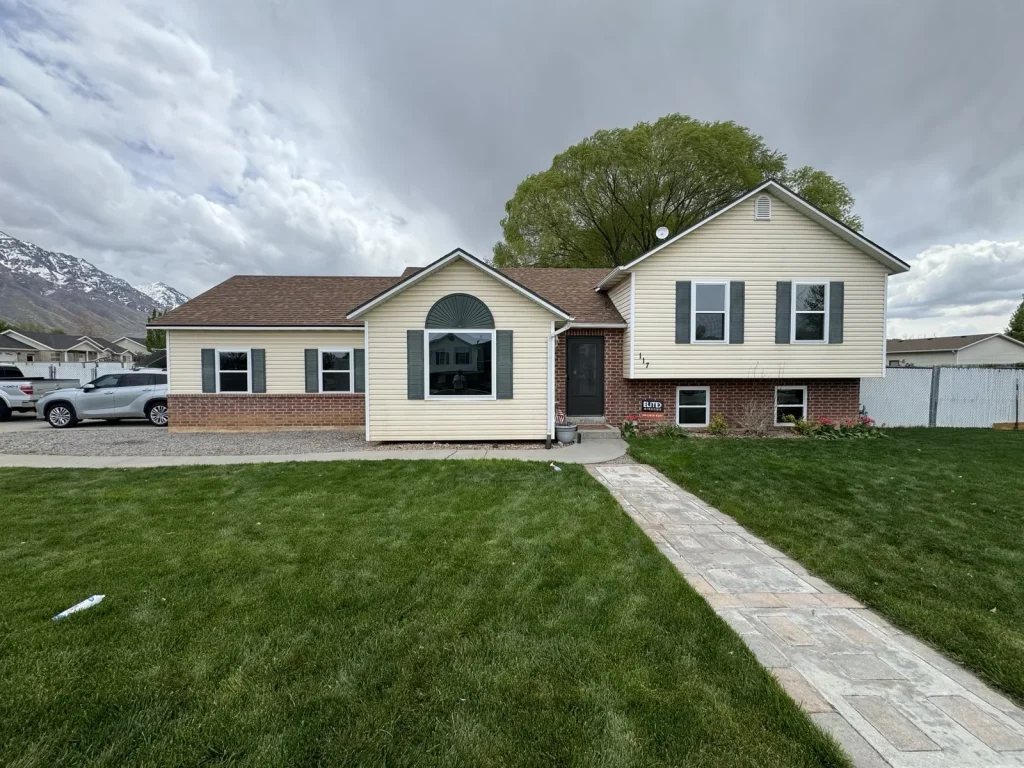
Compare frame appearance and exterior finishing along with operation. Your quote should identify the selected windows and the work around each opening. At the walkthrough, have the crew demonstrate how each window opens, closes and locks.
Screens, opening size and everyday use
Look at the clear opening when the window is fully open, the screen arrangement and whether furniture blocks access. A style that is easy to reach and operate may be used more often. Ask for a demonstration of the handle, sash and locks before choosing.
Window upkeep and ventilation
Keep tracks, screens and moving hardware clean according to the product’s care instructions. A window that sticks, will not lock or has a damaged frame needs assessment. Natural ventilation also depends on outdoor weather and air quality; use the home’s ventilation equipment when opening windows is unsuitable.